The Small Shift That Clears Up Writing Confusion During Work Resets
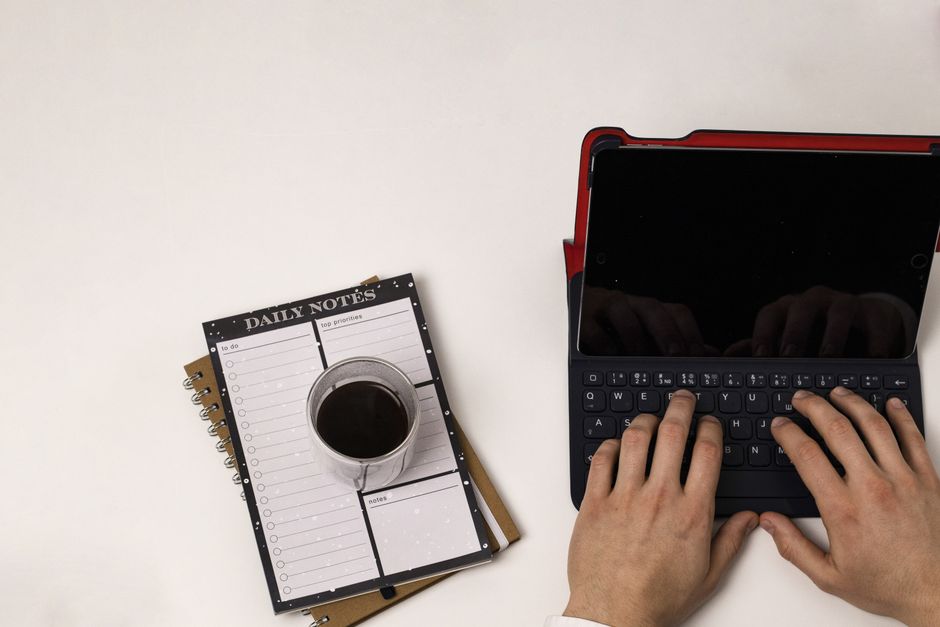
As the morning sun filters through the kitchen window, a remote worker sits at their kitchen table, coffee mug in hand, staring at a task list filled with urgent items. The clock ticks closer to the first meeting of the day, yet the agenda for that call remains buried under a pile of open tabs on their laptop. The deck is still closed, and the email draft for follow-up notes sits untouched, waiting for a moment of clarity that seems just out of reach. With back-to-back calls looming, the pressure to communicate effectively weighs heavily, making each moment feel like a race against time.
In the rush to transition between tasks, crucial checks often slip through the cracks. This morning, the worker skips the agenda check, a small but significant detail that could streamline their communication during the meeting. Without a quick review of the main points, the risk of misalignment with team expectations increases. As the first call approaches, the need for a structured approach becomes clear; without it, writing clearly and effectively during busy periods can quickly devolve into chaos, leaving important messages lost in the shuffle.
The First Step That Gets Skipped
At the kitchen table, a coffee mug sits beside a laptop, its screen filled with an overflowing task list. The morning light filters through the window, illuminating a chaotic workspace where notes from yesterday's meetings are scattered around. The worker glances at the clock, feeling the pressure of the first call approaching in just a few minutes. With back-to-back meetings lined up, the urgency to prepare is palpable, yet a crucial step often gets overlooked.
After checking the agenda for the upcoming call, the worker instinctively opens the email draft for follow-up notes but skips a quick review of the necessary documents. The presentation deck remains closed, hidden behind a sea of open tabs. This oversight can lead to miscommunication, as the worker heads into the meeting without a clear grasp of the key points to discuss. Not reviewing the agenda or related documents means that important details may slip through the cracks, leaving the worker scrambling to catch up during the call.
To mitigate this, a simple adjustment can be made: pin the working document tab first before diving into the email draft. By prioritizing the review of the deck, the worker can ensure that all critical points are fresh in their mind. This small shift in routine not only enhances clarity in writing but also streamlines communication, allowing for a more effective and organized meeting experience. Without this step, the risk of confusion and misalignment with team expectations increases significantly.
What You Forget to Count in Your Workflow
Before diving into a busy day filled with back-to-back calls, it’s easy to overlook the small but vital steps that contribute to effective writing. Picture your home desk, cluttered with a coffee mug and a notebook, while your calendar buzzes with reminders. You might be tempted to jump straight into drafting that follow-up email, but skipping a quick check of your previous email drafts can lead to unnecessary confusion later. If you don’t confirm what’s already been discussed, you risk repeating points or missing critical updates.
Another often-missed step is ensuring the agenda is easily accessible. When the meeting day arrives, many workers have the agenda buried in a sea of tabs or forgotten altogether. This oversight can steal precious time and attention during the call, as you scramble to locate it while others are already discussing key points. Instead, take a moment to pin the working document tab first. This simple action allows you to have all necessary information at your fingertips, ensuring you can contribute effectively without losing track of the conversation.
By incorporating these unnoticed steps into your workflow, you create a smoother transition between tasks. The act of reviewing the agenda and confirming your email drafts doesn’t just save time; it enhances your overall communication. Without these checks, you may find yourself unprepared, leading to a chaotic exchange that could have been avoided. This minor adjustment in routine can make a significant difference in how clearly you write and communicate during a hectic workday.
This same friction shows up again in Writing Clearly At Work, especially when the day tightens unexpectedly.
A Better Order for the Same Five Minutes
Before diving into a meeting day, a remote worker might find themselves at their kitchen table, coffee mug in hand, staring at a cluttered screen filled with tabs. The clock reads 9:50 AM, and a call is set to start in ten minutes. Instead of rushing to check the agenda or draft a follow-up email, a more effective approach is to first open the working document tab. This simple act ensures that the essential information is readily available, minimizing the risk of scrambling for details when the call begins.
After pinning the working document, the next step is to review the agenda. This is a critical moment; if skipped, it can lead to confusion during the discussion. By quickly scanning the agenda, the worker can identify key points to address and prepare relevant questions. Following this, drafting a follow-up email becomes easier, as the worker can reference the agenda items and jot down notes directly from the discussion. This sequence—opening the document, reviewing the agenda, and composing the email—creates a smooth workflow that enhances clarity in communication.
By rearranging these actions, the worker avoids the common friction of being unprepared. Instead of feeling rushed and disorganized, they can enter the call with confidence, knowing they have the right information at their fingertips. This small adjustment in order not only saves time but also strengthens the effectiveness of their professional communication.
What Changes Next When You Reset Your Approach
If this pattern keeps repeating, Balancing Work And Life extends the idea without leaving the niche.
As the clock ticks down to the start of your first call, the familiar clutter of your kitchen table becomes a backdrop for a different kind of preparation. Instead of diving straight into the agenda, you take a moment to open your working document tab. This simple act—pinning that document first—sets the stage for a more structured approach. You glance at your task list and see the agenda items you noted earlier, ready to guide your conversation.
With the agenda in front of you, the tension in your shoulders eases. You feel more prepared, having reviewed key points and potential questions. The coffee mug beside you, once a prop for distraction, now serves as a comforting reminder of your focus. The deck, still closed ten minutes before the call, no longer feels like a looming threat. Instead, it becomes a tool for clarity. When the meeting starts, you can reference specific agenda items without fumbling through notes or feeling lost.
This shift not only reduces stress but also enhances the clarity of your communication during the meeting. You find yourself articulating thoughts more succinctly, knowing you have the right information at your fingertips. The follow-up email you draft afterward flows smoothly, reflecting the organized discussion you just had. By taking the time to reset your approach, you’ve transformed a chaotic start into a confident entry, making your workday feel more manageable.
As you sit at your kitchen table, the early morning light filtering through the window, consider how a simple act of opening your working document first can shift your writing clarity. Instead of diving straight into distractions, take a moment to pin that document to your screen. This small adjustment allows you to reference key points quickly, ensuring you don’t skip over agenda checks that could derail your communication during back-to-back calls.
Next time you prepare for a meeting day, make it a habit to review your task list and the agenda before the first call. This proactive approach not only sets a focused tone for your day but also turns your workspace into a well-organized hub for clear, effective writing. By implementing this routine, you’ll find that your follow-up emails and team communications reflect the clarity and confidence that come from being well-prepared.